



Roman vase
They are common ceramic containers in ancient Roman civilization, not only daily necessities, but also symbols of art and culture. These vases are usually made of clay and fired at high temperatures, possessing strong and durable characteristics. The design of Roman vases is diverse, ranging from simple practical shapes to complex decorative shapes, reflecting the aesthetic taste and craftsmanship level of Roman society. Decorative patterns may include mythological scenes, historical events, geometric shapes, or plant patterns, which are not only aesthetically pleasing but also convey the religious beliefs and social values of the time. Some Roman vases are used to store liquids, while others are used for decoration or as burial objects at funerals.
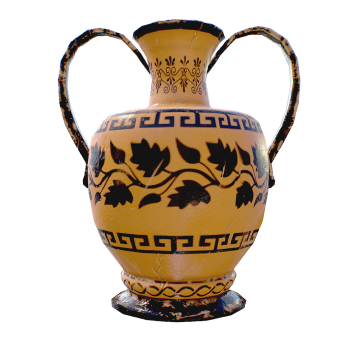
Greek neck bottle
It is a ceramic container from ancient Greece, with an iconic long neck and two vertical handles, usually located on the shoulders. This dual ear bottle design is very suitable for carrying and pouring liquids such as oil, wine, or water. Greek necklaces not only have a wide range of uses in daily life, but also play an important role in religious ceremonies and funerals. They are often used as burial objects in tombs to hold liquids for worship. The surface of Greek neck vases is often painted with exquisite patterns, including mythological scenes, battle scenes, or daily life scenes, providing us with a window to understand ancient Greek culture and art.

Statues of buried figures, dancers
This cultural relic is a painted pottery piece called "Statue of a buried figure, depicting a dancer performing", created between 618-906 AD. This statue is currently housed in the Minneapolis Museum of Art in the United States. The height of this statue is about 20 centimeters. Painted pottery and white talc were used as materials. This statue was bequeathed to the Minneapolis Museum of Art by Alfred F. Piersbury. This statue represents the top ceramic technology of China from the 7th to the 10th century.

Burial figure statue pipa
This cultural relic is a painted pottery piece called "Statue of a Buried Figure, depicting a musician playing", created between 618-906 AD. This statue is currently housed in the Minneapolis Museum of Art in the United States. The height of this statue is about 20 centimeters. Painted pottery and white talc were used as materials. This statue was bequeathed to the Minneapolis Museum of Art by Alfred F. Piersbury. This statue represents the top ceramic technology of China from the 7th to the 10th century.

Burial figures statue bamboo flute
This cultural relic is a painted pottery piece called "Statue of a Burial Figure, depicting a musician playing a bamboo flute", created between 618-906 AD. This statue is currently housed in the Minneapolis Museum of Art in the United States. The height of this statue is about 20 centimeters. Painted pottery and white talc were used as materials. This statue was bequeathed to the Minneapolis Museum of Art by Alfred F. Piersbury. This statue represents the top ceramic technology of China from the 7th to the 10th century.

Popular Models


Honey Badger (3D animated model)
192 View
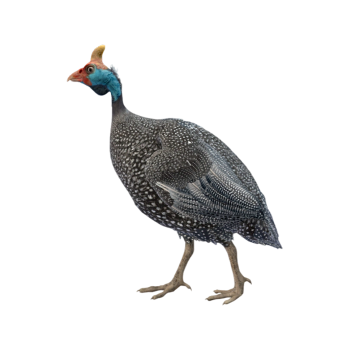
Guinea fowl (3D animated model)
163 View

Wild Goose (3D animated model)
185 View

Red Fox (3D animated model)
153 View
Random Model

Handmade clay bowl (3D printing)
415 View
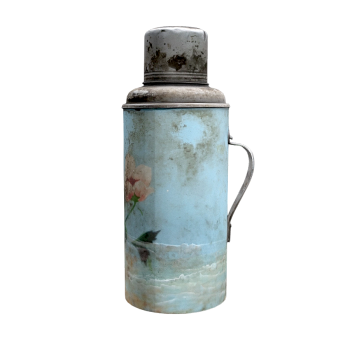
Vintage metal shell thermos
476 View
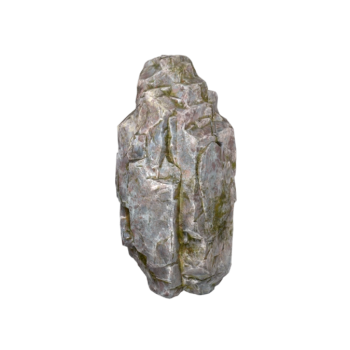
Moss-covered rock
458 View

Simple Metal Shed
429 View
Kitchen round solid wood stool
482 View

Horizontal tank
493 View

Clock (3D animated model)
199 View

Bedside table
1023 View

Water Heater
728 View